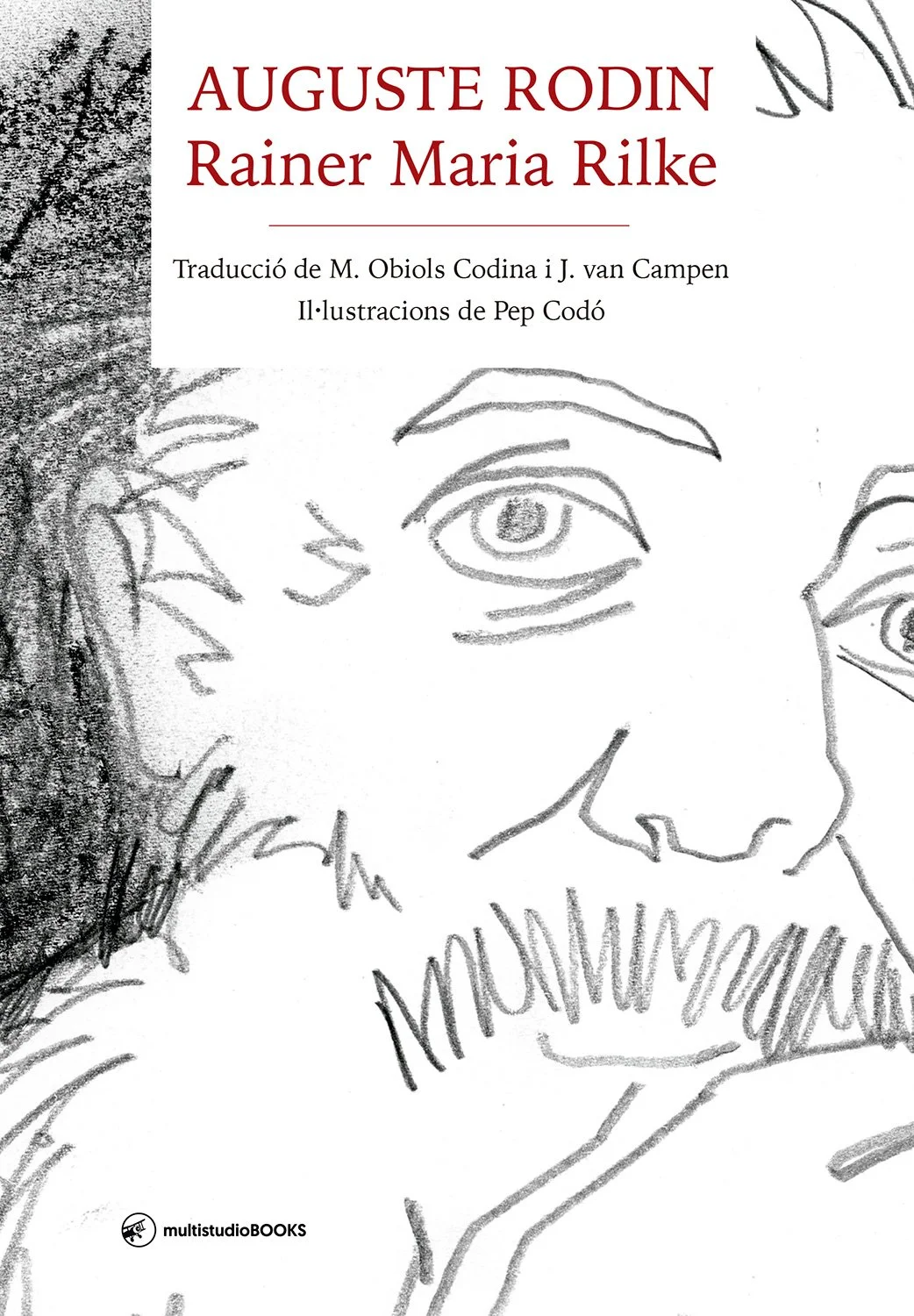
Auguste Rodin
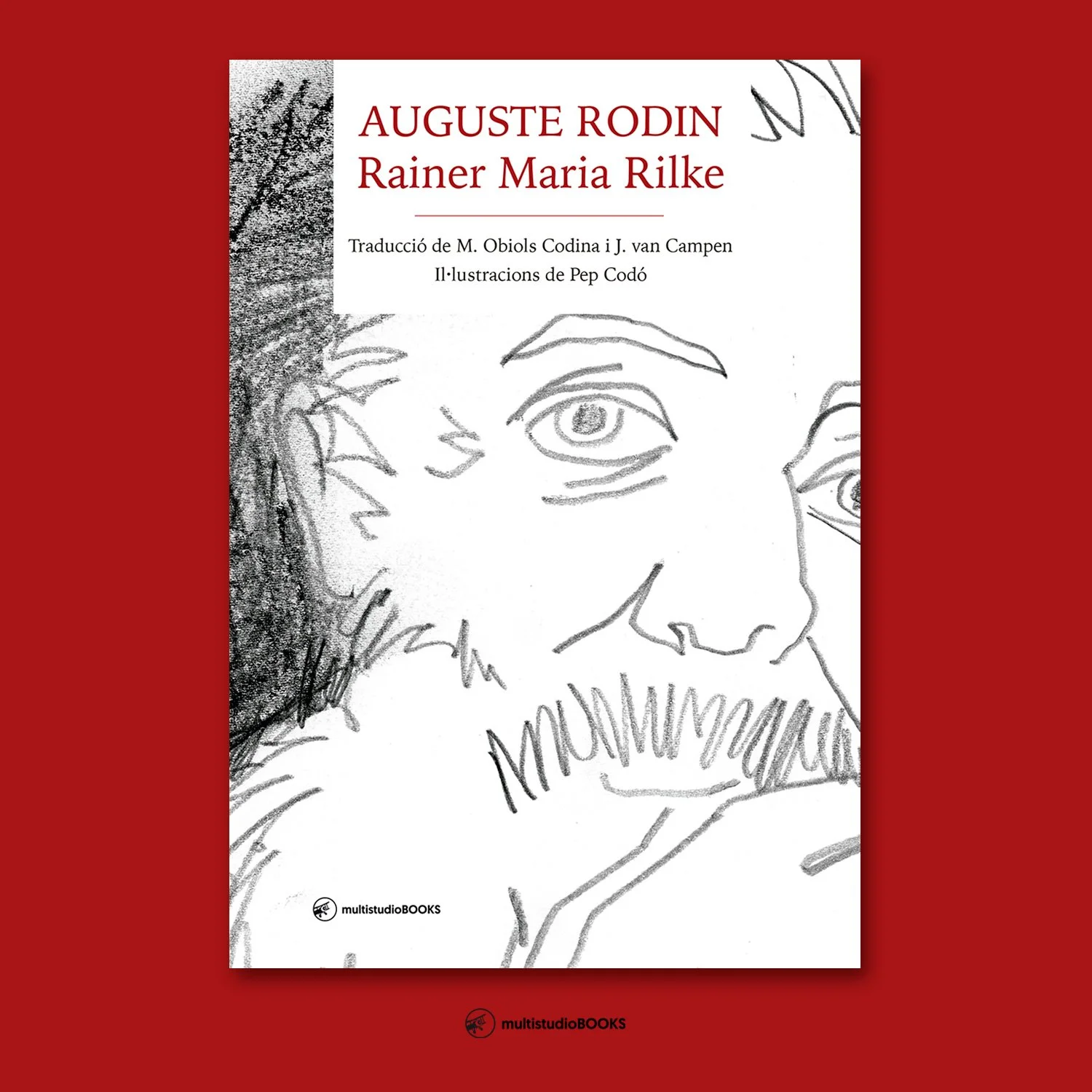
Rainer Maria Rilke
book design and publishing
We associate the name of Rainer Maria Rilke with a lyrical body of work of the highest order, culminating in the Duino Elegies and the Sonnets to Orpheus, considered a milestone in European poetry. Yet the Rilke we encounter in these pages is not the established poet, but a twenty-seven-year-old young man, marked by the insecurity of a still little-known writer, who is hired by Auguste Rodin as his secretary. From this seemingly routine job, Rilke would gain a unique experience through direct contact with the sculptor’s unconditional will and dedication—so humble, demanding, and visionary in submitting himself to the discipline of art. There is no doubt that his relationship with the sculptor spurred the young writer on, profoundly shaping his vision of the art world and the way he would come to understand writing in the future.
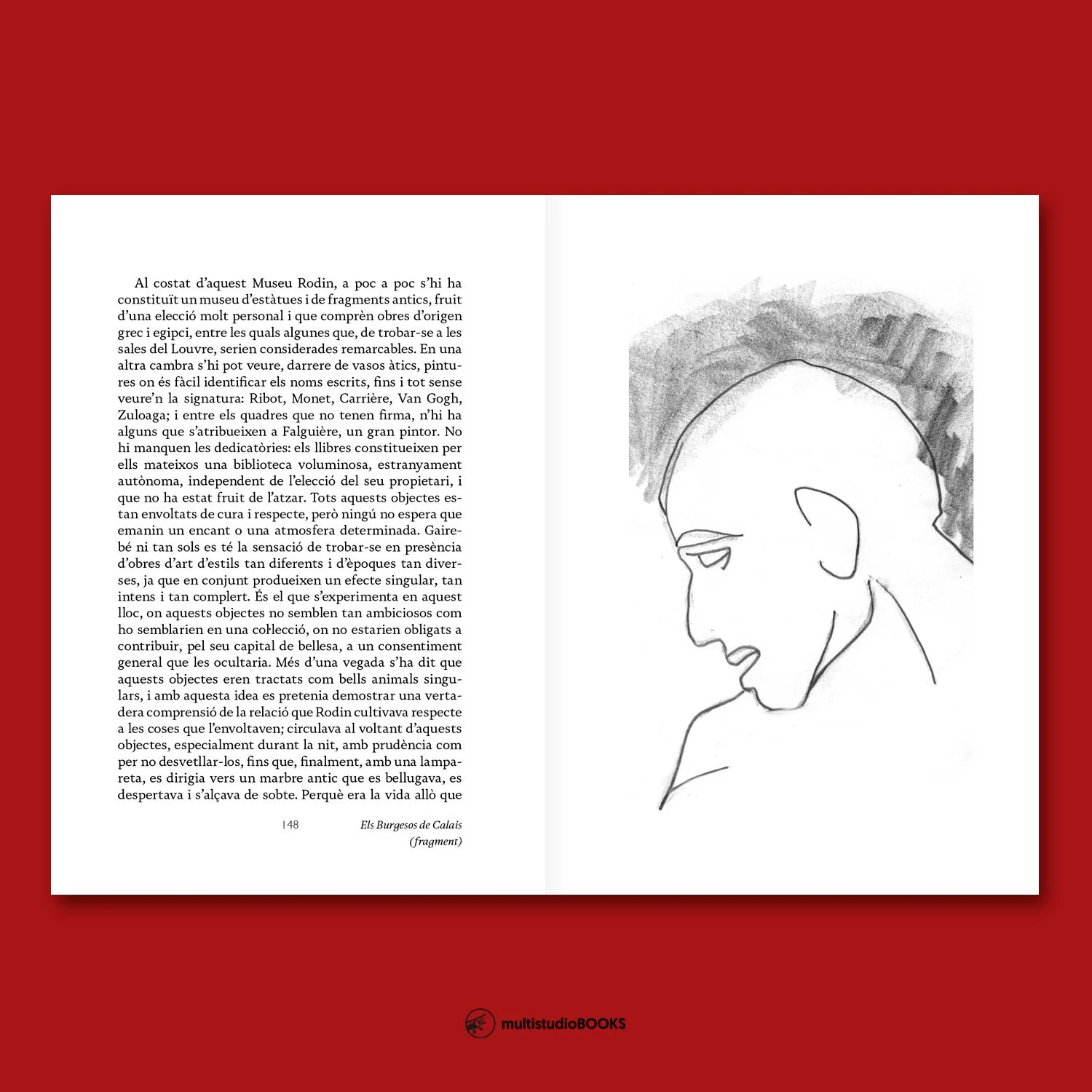
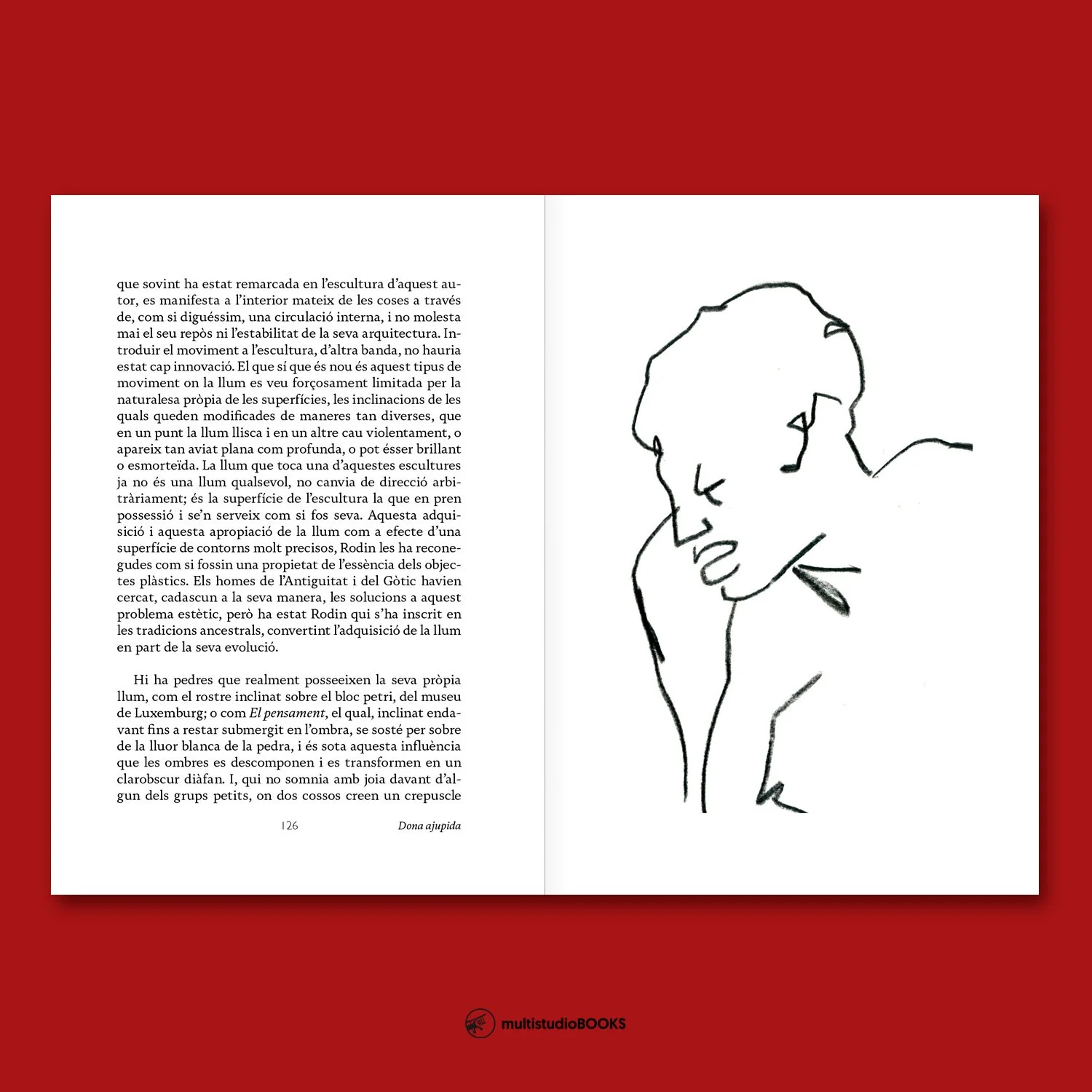
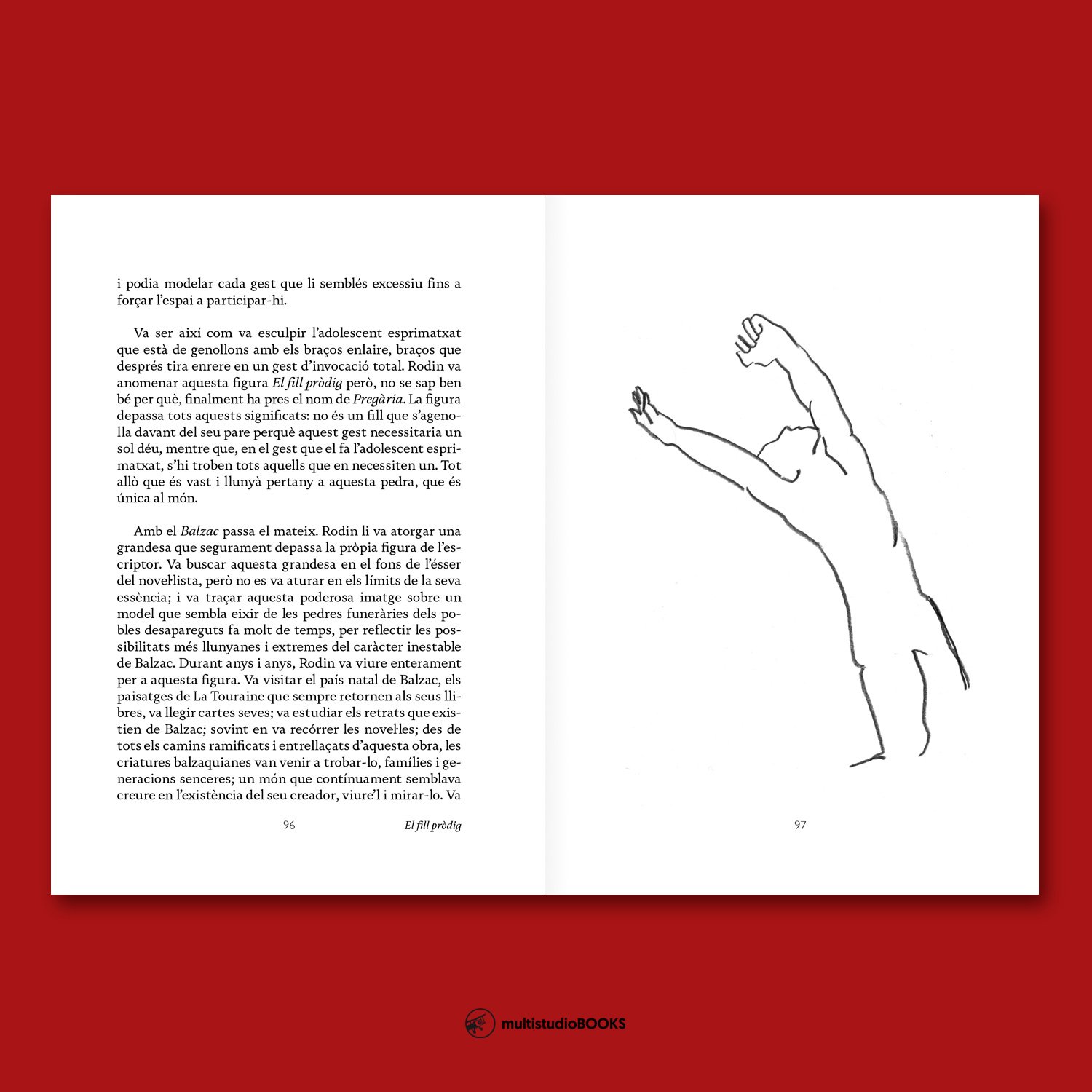
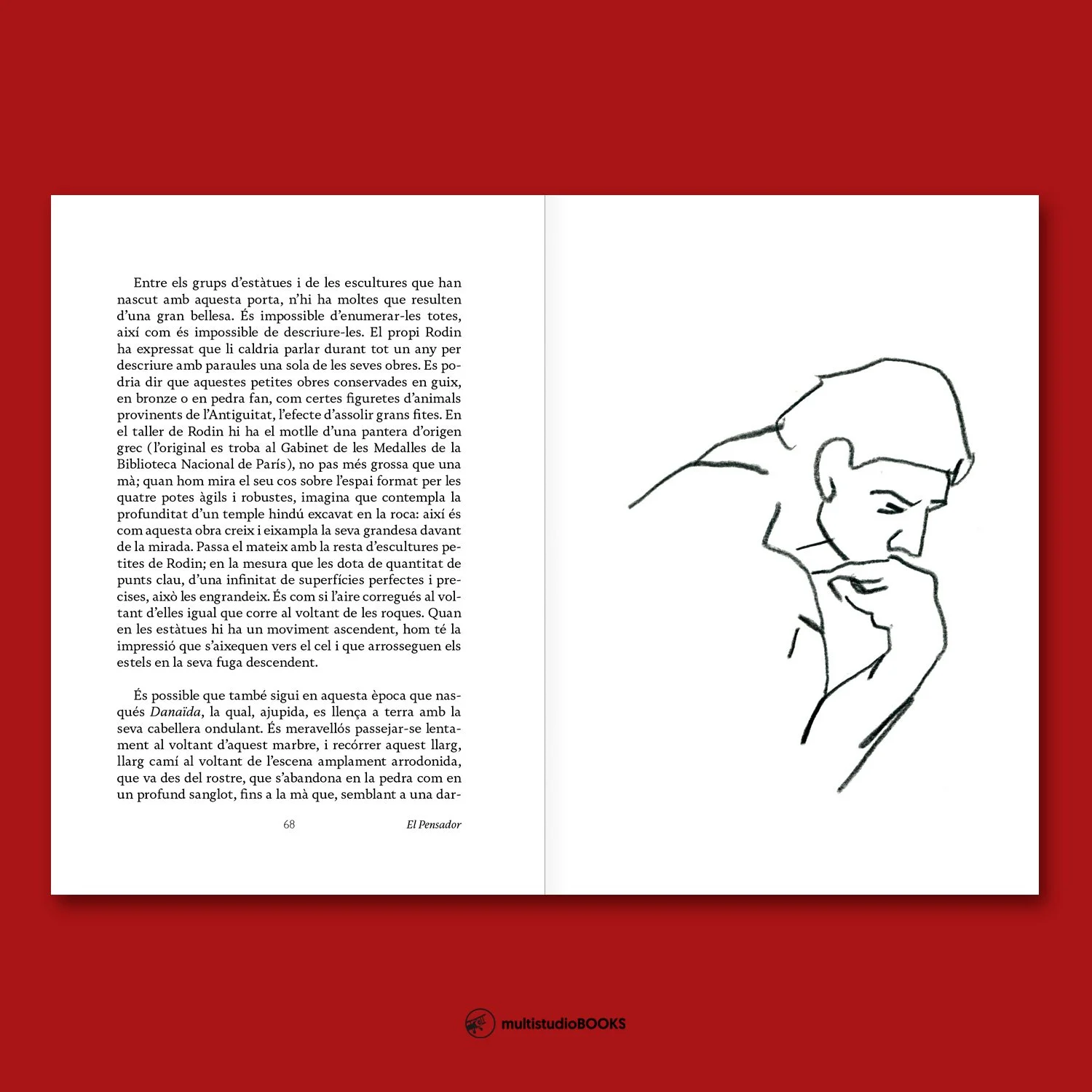
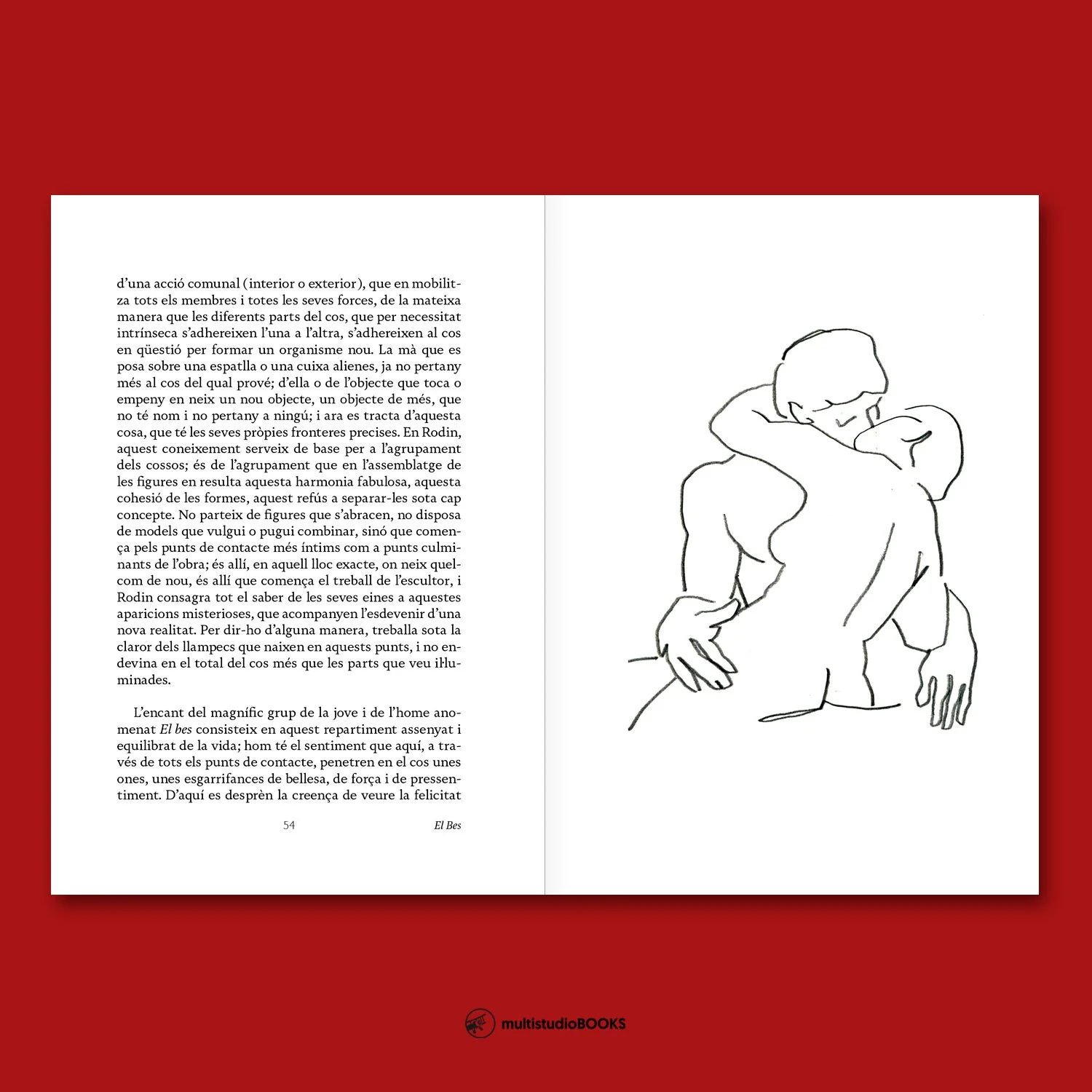
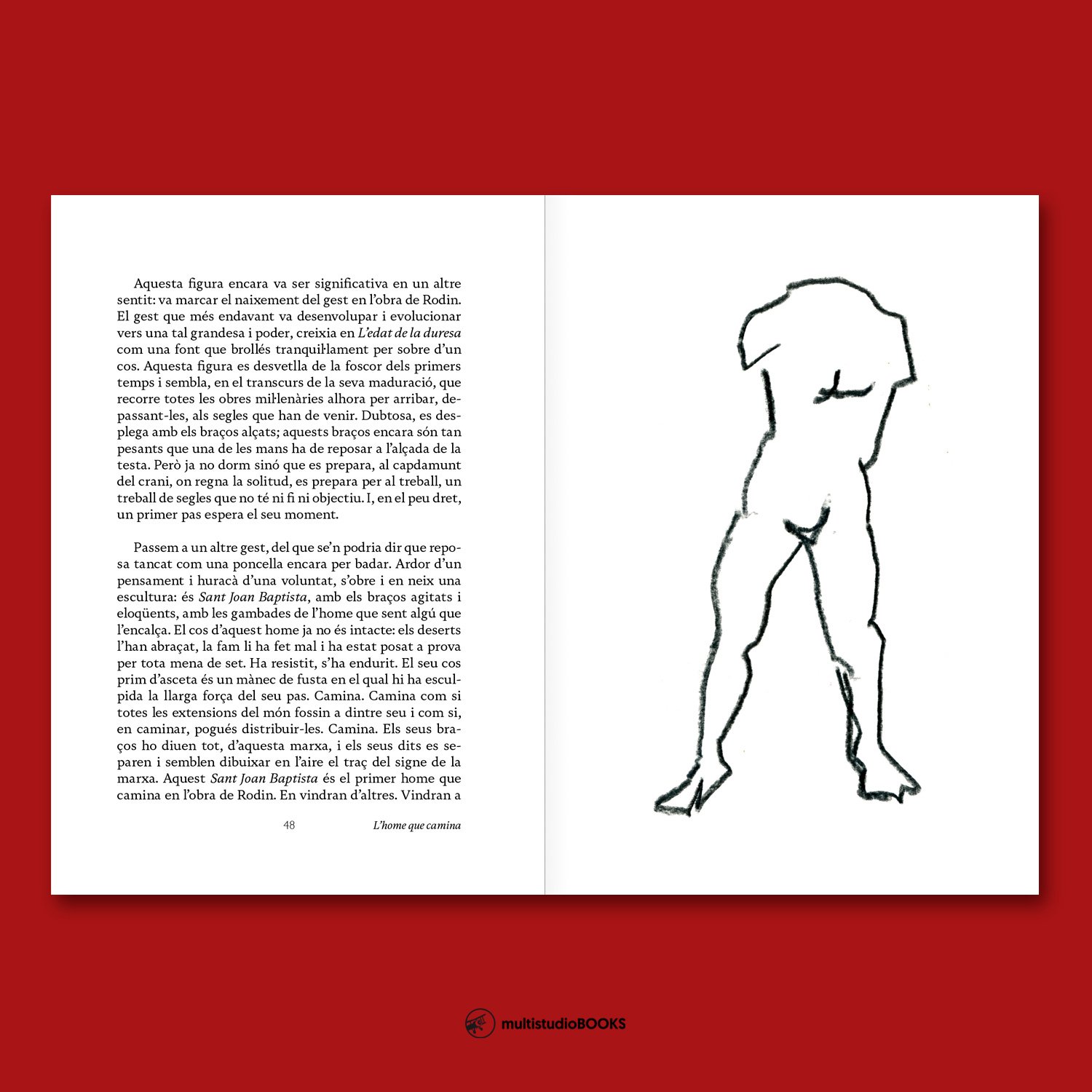
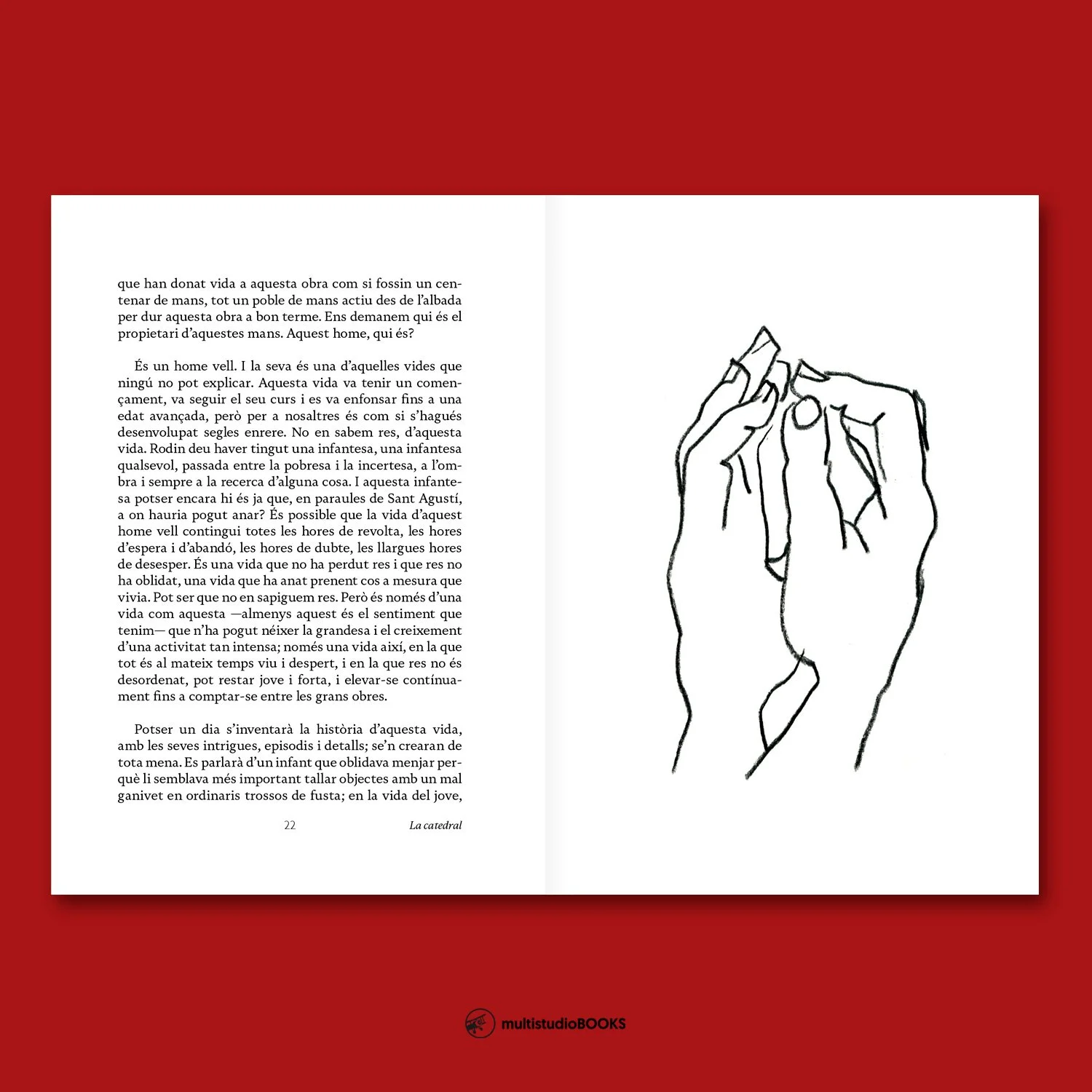
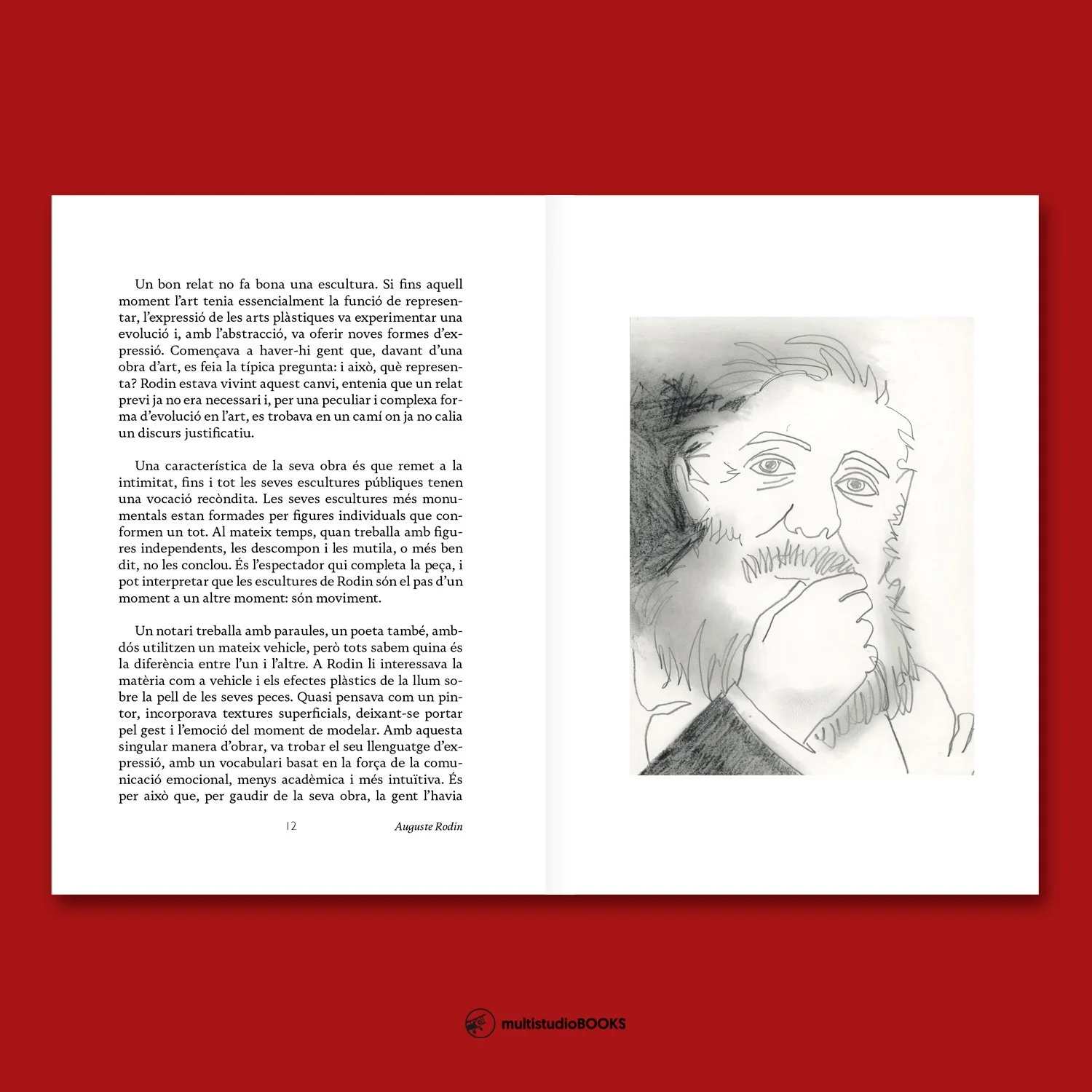
Out of their relationship emerged the essay entitled Auguste Rodin, a prose work of extreme sensitivity and great beauty. In this edition, in a new Catalan translation by M. Obiols Codina and J. van Campen, the prologue by the Sant Cugat sculptor Pep Codó addresses central issues of modern art and offers, from the perspective of today’s artist, key aesthetic reflections on the work of the French sculptor and on sculpture as a whole.
Illustrations by Pep Codó
Translated from French by M. Obiols Codina and J. van Campen.
Catalan edition
14,5×21 cm.
162 pag.
ISBN 978-84-126676-9-1